Proposition quotidienne de rédaction
Quelle est la dernière chose que vous avez apprise ?


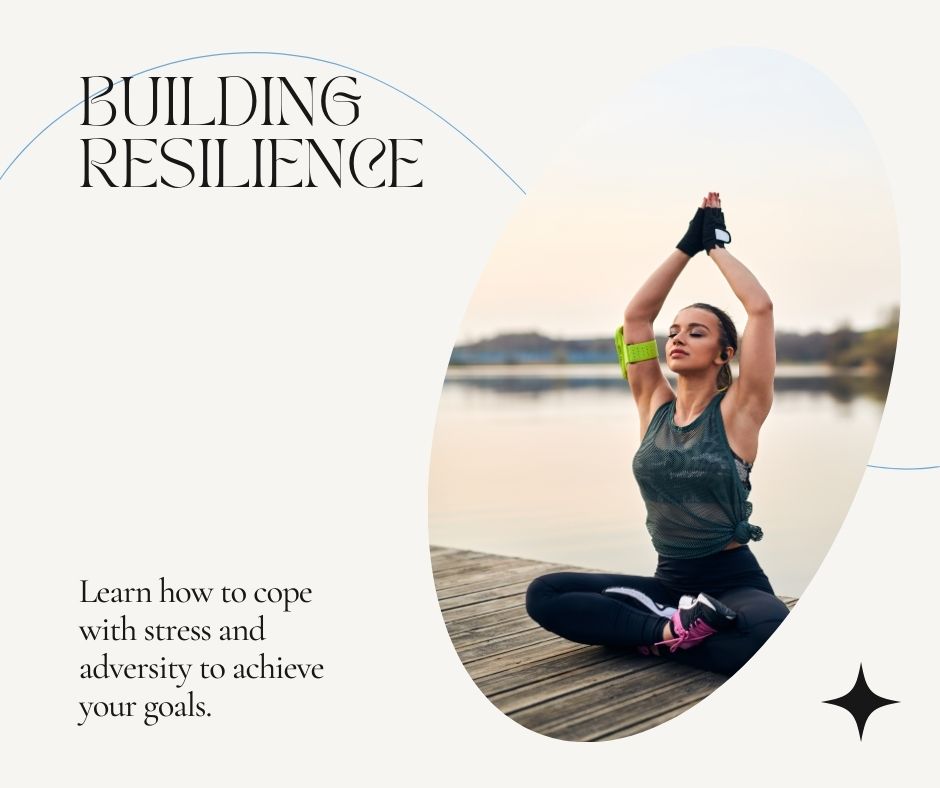
Building resilience is a valuable skill that helps individuals navigate through life’s challenges, bounce back from setbacks, and adapt to adversity. Here are some steps to help you learn how to be more resilient:
- Develop a positive mindset: Cultivate optimism and focus on finding solutions rather than dwelling on problems. Positive thinking can help reframe setbacks as opportunities for growth.
- Build a support network: Surround yourself with supportive friends, family, and mentors who can provide encouragement, guidance, and practical help during tough times.
- Practice self-care: Take care of your physical, emotional, and mental well-being. This includes getting enough sleep, eating healthily, exercising regularly, and engaging in activities that bring you joy and relaxation.
- Develop problem-solving skills: Enhance your ability to analyze situations, identify potential solutions, and take decisive action. Break down problems into manageable steps and stay focused on what you can control.
- Foster adaptability: Be flexible and open to change. Recognize that life is unpredictable, and being able to adapt to new circumstances is essential for resilience.
- Set realistic goals: Establish clear, achievable goals that align with your values and aspirations. Break larger goals into smaller, more manageable tasks, and celebrate your progress along the way.
- Practice mindfulness and stress management: Learn techniques such as mindfulness meditation, deep breathing exercises, or yoga to reduce stress and increase emotional resilience.
- Cultivate gratitude: Focus on the things you’re grateful for, even during difficult times. Gratitude can help shift your perspective and build resilience by reminding you of the positive aspects of your life.
- Seek meaning and purpose: Connect with your values, passions, and beliefs to find meaning in challenging situations. Having a sense of purpose can provide motivation and resilience during tough times.
- Learn from setbacks: Instead of viewing failures as permanent or insurmountable, see them as opportunities for growth and learning. Reflect on what you can learn from each experience and use it to improve yourself and your circumstances.
- Maintain perspective: Keep things in perspective by reminding yourself that setbacks and challenges are a natural part of life. Remember past experiences where you’ve overcome difficulties to reinforce your belief in your ability to persevere.
- Seek professional help if needed: If you’re struggling to cope with challenges or experiencing persistent feelings of distress, don’t hesitate to seek support from a therapist, counselor, or mental health professional.
By incorporating these strategies into your life, you can develop greater resilience and better cope with whatever challenges come your way. Remember that resilience is a skill that can be cultivated over time with practice and perseverance.
Abonnez-vous pour y accéder
Découvrez la suite de ce contenu dès aujourd’hui en vous abonnant.
 www.my-dog-photography.com
Leave a comment