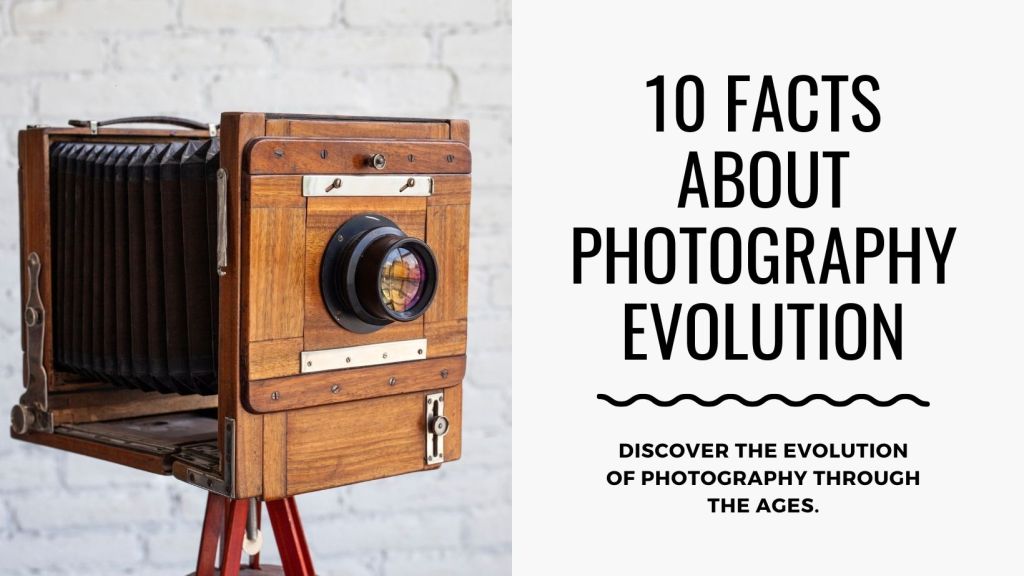
Photography has undergone a remarkable evolution since its inception in the early 19th century. From the invention of the daguerreotype to the advent of digital photography, let’s explore the key milestones in its history.
- Invention of the Daguerreotype (1839): The daguerreotype, invented by French artist Louis-Jacques-Mandé Daguerre, was the first commercially successful photographic process. It involved exposing a silver-coated copper plate to light, resulting in a unique image that was highly detailed but required long exposure times.
- Calotype Process (1841): William Henry Fox Talbot introduced the calotype process, which involved using a light-sensitive paper negative to produce multiple positive prints. This process paved the way for mass production of photographs.
- Collodion Process (1851): Frederick Scott Archer introduced the wet plate collodion process, which replaced the daguerreotype and calotype processes due to its shorter exposure times and ability to produce sharper images.
- Albumen Prints (1855): The albumen print became popular due to its ability to produce high-quality images. It involved coating paper with a mixture of egg whites and salt, then sensitizing it with silver nitrate.
- Introduction of Flexible Film (1888): George Eastman revolutionized photography with the introduction of flexible roll film, making cameras more portable and accessible to the general public. This innovation led to the development of the Kodak camera, which popularized photography as a hobby.
- Development of Color Photography (20th Century): Throughout the early 20th century, various methods for color photography were developed, including Autochrome, Kodachrome, and Ektachrome processes. Color photography gradually became widespread, offering new creative possibilities.
- Introduction of 35mm Film (1925): Oskar Barnack developed the 35mm film format for motion pictures, which later influenced the design of still cameras such as the Leica I. This compact format became the standard for both amateur and professional photography.
- Instant Photography (1948): Edwin Land introduced the Polaroid Land Camera, which produced instant prints. This eliminated the need for darkroom processing and allowed photographers to see their images immediately.
- Digital Photography (1970s-1980s): The development of digital imaging technology in the latter half of the 20th century laid the groundwork for digital photography. The first digital camera, the Kodak DCS, was introduced in 1986, but it wasn’t until the 1990s that digital cameras became commercially viable and began to replace film cameras.
- Rise of Digital Photography (21st Century): Digital photography has become ubiquitous in the 21st century, thanks to advancements in sensor technology, image processing, and storage. Digital cameras offer instant preview, editing capabilities, and easy sharing through the internet, revolutionizing the way we capture and interact with images.
 www.my-dog-photography.com
Leave a comment