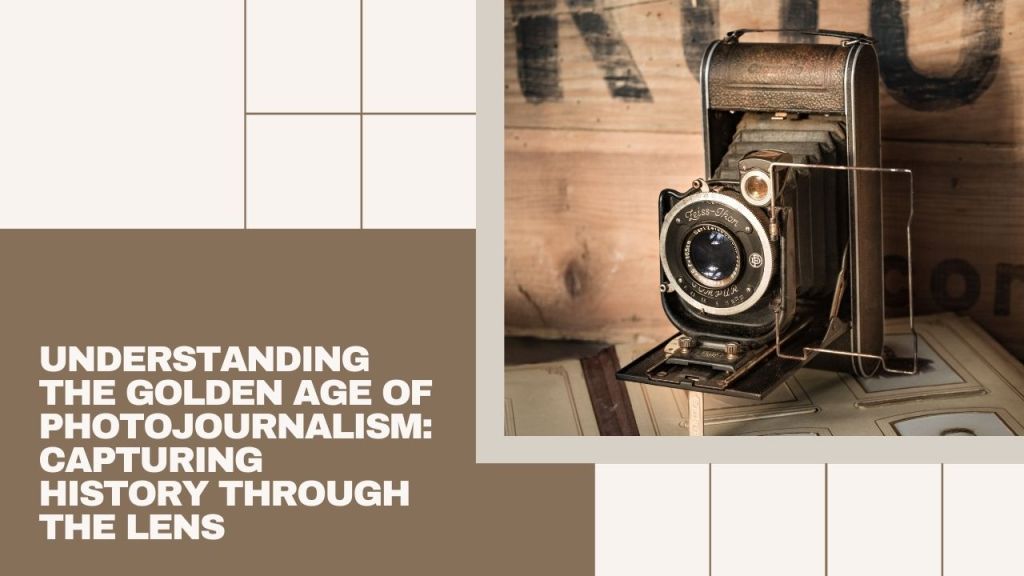
The Golden Age of Photojournalism refers to a period in the mid-20th century, roughly from the 1930s to the 1960s, during which photojournalism experienced a significant rise in prominence and influence. Several factors contributed to the emergence of this era:
- Technological Advancements: The development of smaller, more portable cameras, such as the 35mm Leica, made it easier for photojournalists to capture candid moments and document events in real-time. These advancements in camera technology allowed for greater mobility and flexibility, enabling photographers to cover a wider range of subjects and situations.
- Mass Media Expansion: The rise of mass media outlets, including newspapers, magazines, and later television, created a growing demand for visual storytelling. Photojournalism became an integral part of news reporting, as editors recognized the power of images to convey information and evoke emotions.
- Social and Political Turmoil: The mid-20th century was marked by significant social and political upheaval, including World War II, the civil rights movement, and various conflicts and revolutions around the world. Photojournalists played a crucial role in documenting these events, bringing the realities of war, injustice, and human suffering to a global audience.
- Photographic Agencies and Syndication: The establishment of photo agencies such as Magnum Photos and Black Star provided a platform for photojournalists to distribute their work to a wider audience. These agencies not only facilitated the dissemination of images but also offered support and resources to photographers, allowing them to focus on their craft.
- Iconic Photographers: The Golden Age of Photojournalism produced many iconic photographers whose work continues to resonate today. Figures such as Robert Capa, Henri Cartier-Bresson, Dorothea Lange, and Margaret Bourke-White captured some of the most memorable images of the era, shaping the collective visual memory of the 20th century.
- Ethical and Aesthetic Standards: Photojournalists during this period adhered to high ethical standards, striving to accurately represent the events they covered while also maintaining a strong aesthetic sensibility. Their images not only documented reality but often transcended mere documentation to become powerful works of art.
Overall, the Golden Age of Photojournalism was a time of innovation, creativity, and social impact, during which photojournalists played a vital role in shaping public perception and understanding of the world. While the landscape of journalism and photography has evolved since then, the legacy of this era continues to influence contemporary photojournalism and visual storytelling.
 www.my-dog-photography.com
Leave a comment