


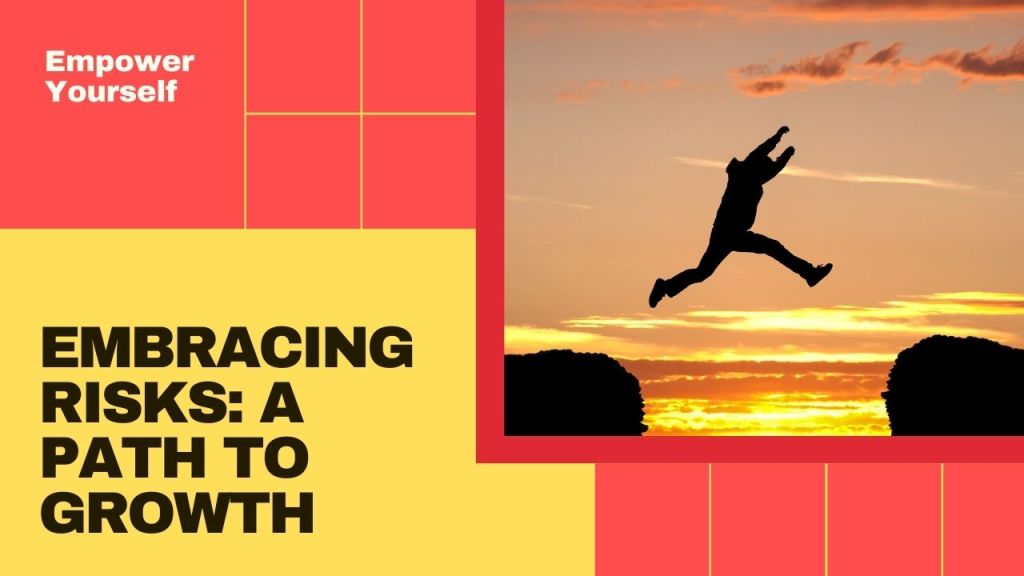
Believe it or not, but the last time I took a risk was when I rode the thunder mountain roller coaster at Eurodisney last year, you will tell me that this is not a big risk and I understand it. But for me it was more a personal question of facing my own fears. Because yes, since I was very young, I have been someone who has suffered from dizziness problems, and I try to face them by giving myself challenges.
Taking risks can be an essential part of personal and professional growth. Here are some tips to help you navigate taking risks:
- Evaluate the Risk: Before taking any risk, assess the potential outcomes, both positive and negative. Consider the likelihood of each outcome and the potential impact on your goals and well-being.
- Set Clear Goals: Understand what you hope to achieve by taking the risk. Having clear goals can help you make informed decisions and determine whether the potential rewards outweigh the potential consequences.
- Do Your Research: Gather as much information as possible about the situation or opportunity you’re considering. This will help you make a more informed decision and reduce uncertainty.
- Trust Your Instincts: While it’s essential to gather information and analyze the situation, don’t ignore your gut feelings. Sometimes, intuition can provide valuable insights that rational analysis might overlook.
- Start Small: If you’re hesitant about taking a big risk, consider starting with smaller risks first. This can help you build confidence and develop your risk-taking muscles gradually.
- Have a Contingency Plan: Always have a backup plan in case things don’t go as expected. Knowing you have a plan B can reduce anxiety and make it easier to take calculated risks.
- Embrace Failure as a Learning Opportunity: Understand that not all risks will pay off, and that’s okay. View failure as an opportunity to learn and grow, rather than as a reflection of your worth or abilities.
- Seek Advice: Talk to mentors, friends, or colleagues who have experience with similar risks. They can offer valuable insights and advice to help you make more informed decisions.
- Take Action: Once you’ve weighed the pros and cons and feel comfortable with your decision, take action. Procrastinating out of fear can lead to missed opportunities.
- Reflect and Adapt: After taking a risk, take the time to reflect on the experience. What worked well? What could have been done differently? Use this feedback to adjust your approach in the future.
Remember, taking risks doesn’t mean being reckless. It’s about stepping out of your comfort zone in pursuit of growth and opportunities.
 www.my-dog-photography.com
Leave a comment